

The shortlist for this job
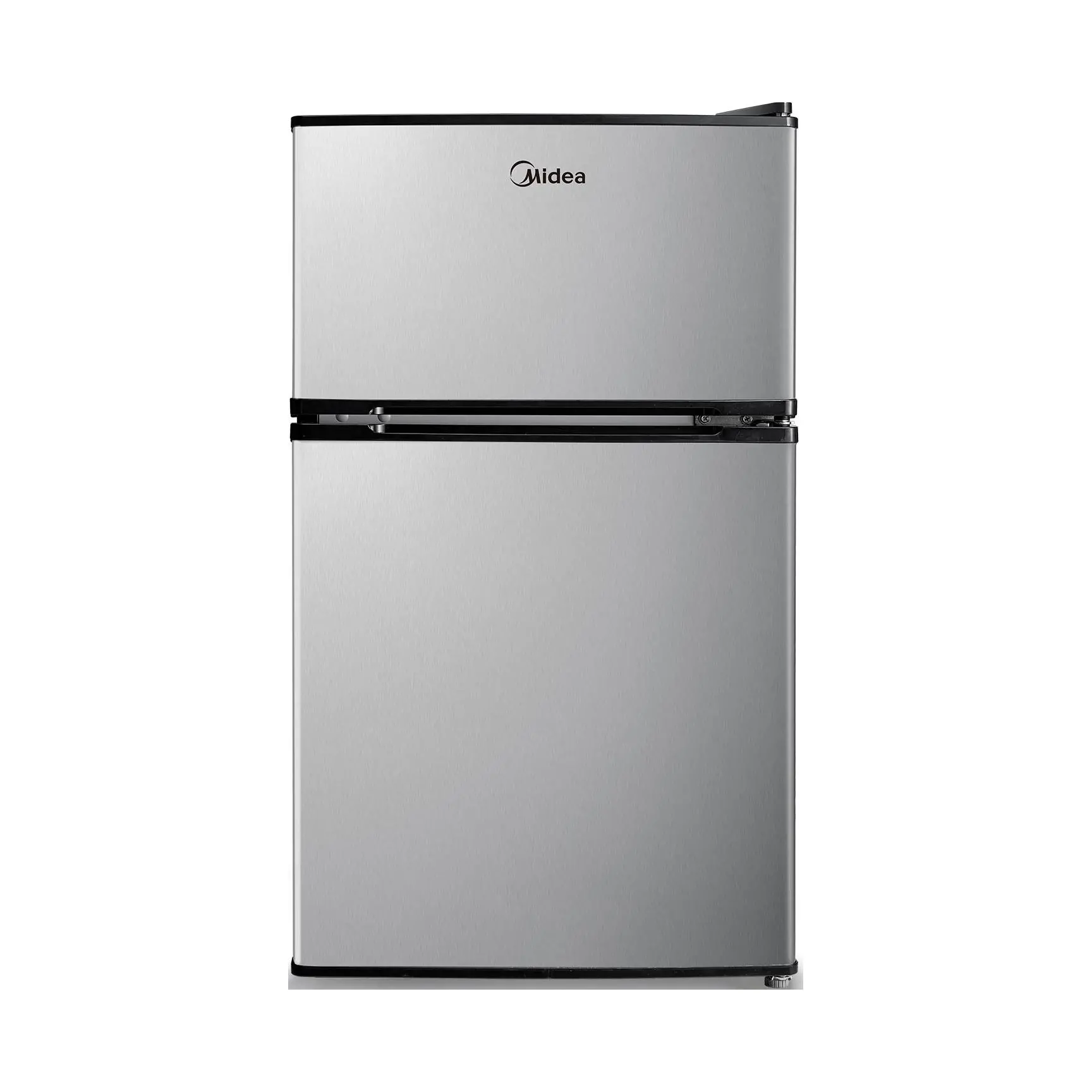
My pick for food + frozen meals
Midea WHD-113FSS1
My first comparison for a student who uses both refrigerated ingredients and frozen meals. The 2.2 cu. ft. food section and 0.9 cu. ft. freezer need deliberate sharing; the 3.1 cu. ft. headline is not all grocery space.
Read the full WHD-113FSS1 review →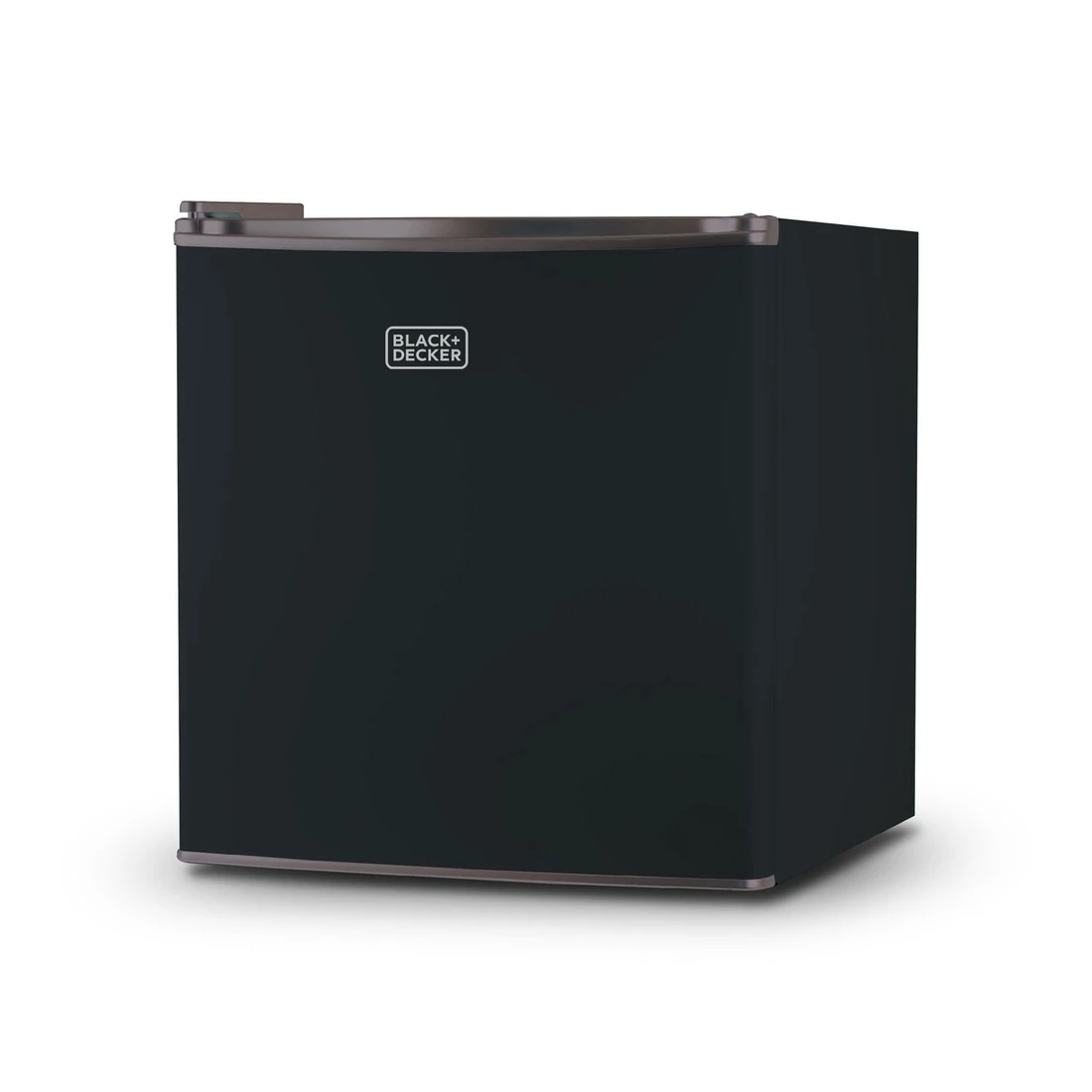
My pick for a small personal supply
BLACK+DECKER BCRK17B
A shorter cabinet for one person’s everyday essentials when a larger fridge is unnecessary or impractical. I would choose it with a modest shopping routine and no expectation of keeping a regular supply of frozen meals.
Read the full BCRK17B review →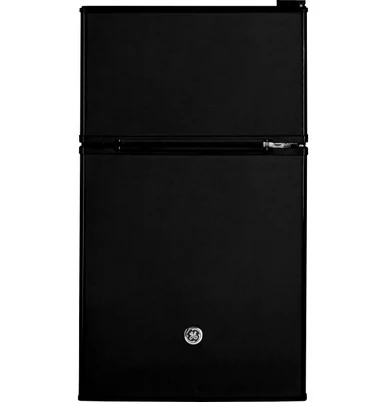
Another food + freezer option
GE GDE03GGKBB
Worth comparing with the Midea when installation is the deciding issue. GE documents 37 inches of depth with the door open. That matters in a room where the aisle also leads to a desk, wardrobe or bed.
Read the full GDE03GGKBB review →Compare the choices
| Model | Shopping | Capacity | Freezer | Cabinet W × D × H | Defrost | Annual energy | Buying check |
|---|---|---|---|---|---|---|---|
MideaWHD-113FSS1My pick for food + frozen meals | 3.1 cu. ft. | Separate compartment | 18.5 × 19.9 × 33 in.Allow ventilation space; verify the size if the fit is tight. | Documentation conflict | 270 kWh / year | Confirm dimensions for a tight fit | |
BLACK+DECKERBCRK17BMy pick for a small personal supply | 1.7 cu. ft. | Short-term compartment | 17.5 × 18.5 × 19.7 in.Add at least two inches behind, plus door-opening space. | Manual | 201 kWh / year | No long-term frozen storage | |
GEGDE03GGKBBAnother food + freezer option | 3.1 cu. ft. | Separate compartment | 18.75 × 20.125 × 33.375 in.Cabinet size only; allow 37 inches of depth with the door open. | Partial automatic | 321 kWh / year | 37 in. door-open depth |
Cabinet dimensions exclude ventilation and door-opening space. Annual kWh and can capacities are manufacturer or certification figures. Model-specific source notes.
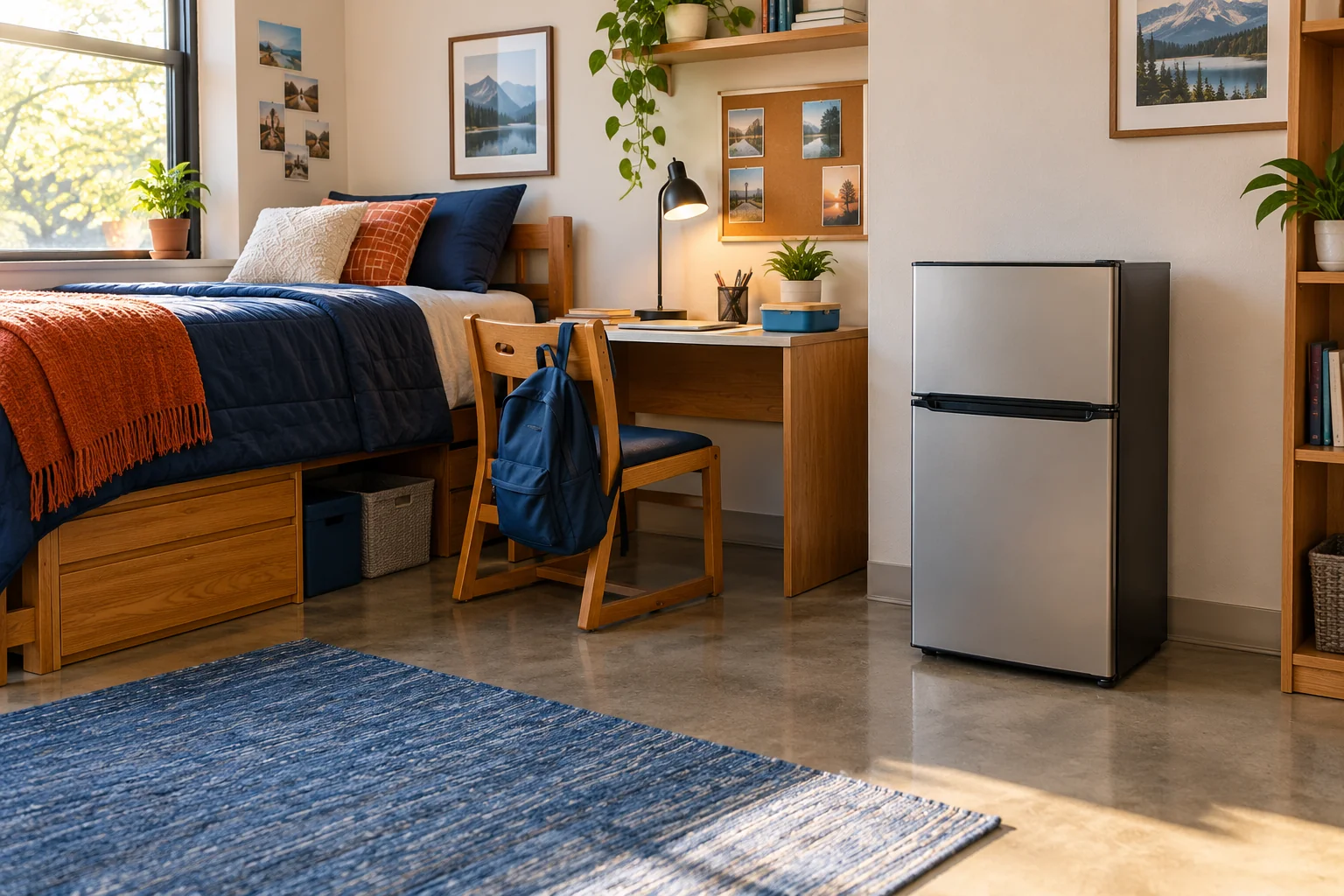
Check the building’s rules before the model
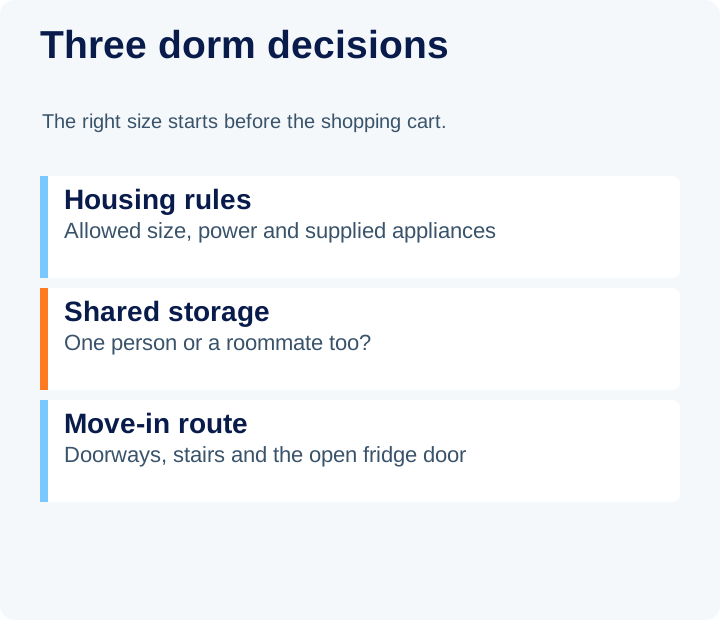
Dorm rules can cover appliance capacity, electrical ratings, placement, extension leads and whether a unit is already supplied. Some rooms or programmes use a provided or rental refrigerator. A policy from another university, or even another building at your own university, is not approval for your room.
Use the current housing agreement and the university’s own move-in information. If the wording is unclear, ask housing to confirm the exact model you intend to bring. Keep that answer with your move-in documents. The product listings here do not establish institutional approval.
I would make this the first step because a fridge that cannot be used in the room is a poor purchase regardless of its features. Then check whether a roommate has already arranged one. Two fridges may waste both the floor space and the budget.
Evidence and source notes ↗Plan storage around a week you actually live
Start with the items you keep most often: breakfast food, milk, lunch ingredients, leftovers, cans and frozen meals. The mix matters more than the number of people alone. Two people who eat most meals elsewhere may need less storage than one person who prepares food daily.
Agree on shelf allocation before choosing the cabinet. A separate freezer can be useful, but it also reduces fresh-food space. The Midea’s 2.2 cu. ft. refrigerated section is a more useful planning number than its combined 3.1 cu. ft. total.
Check the height and width of your usual containers. A removable shelf can help with a tall bottle, but the space it frees comes at the expense of another layer. No stated cubic-foot capacity guarantees that a particular lunch box will fit.
Make the room work with the door open
Measure the proposed position after allowing for the manufacturer’s ventilation gaps. Check the handle and hinge, then imagine someone opening the fridge while another person is using the room. Avoid turning the only walkway into the door-opening area.
A freestanding fridge needs its specified airflow. Do not assume that sliding it into a desk recess or surrounding it with storage boxes is acceptable. Check the floor and levelling requirements, electrical instructions and the room’s placement rules.
I would also look at where the cabinet sits relative to the bed. Compressor cycling, lights and vibration can be noticeable in a small sleeping room. There is no controlled sound ranking for these models in this guide; see the bedroom buying guide for a more careful way to evaluate that tradeoff.
Evidence and source notes ↗Move-in and end-of-term ownership
Plan the route through doors, lifts or stairs before delivery. Check the packaged dimensions and weight with the actual seller; cabinet measurements are not a shipping specification. Use suitable help and equipment for the load rather than assuming a compact appliance is light.
Before moving a fridge again, empty it, follow its defrost and cleaning instructions, and secure removable parts. Follow the exact transport orientation and standing instructions before restarting. There is no universal restart time that fits every refrigerator.
A simple shared cleaning routine helps keep the small space usable: remove old food, wipe spills and leave the vents unobstructed. Plan manual defrost around a time when food can be kept safely elsewhere.
Evidence and source notes ↗Work through two realistic dorm routines
For a shared two-door fridge, I would agree on which items belong in the freezer and where each person’s daily refrigerated food goes. The Midea’s 2.2 cu. ft. food section is the number to plan around; dividing its full 3.1 cu. ft. headline between roommates would overstate fresh-food space.
| Routine | What I would prioritise |
|---|---|
| Most meals elsewhere; a few personal essentials | Start with the BCRK17B and measure the everyday containers. A smaller routine can make a short cabinet easier to justify. |
| Groceries plus regular frozen meals | Compare Midea and GE. Allocate the refrigerator and freezer separately before agreeing to share. |
| Two people bringing appliances | Agree on one storage plan first, then check the building rules. Two small fridges are not automatically more practical than one suitable shared unit. |
Plan for the end of term before move-in
A dorm fridge is likely to move again. Confirm who owns it, who keeps the receipt, where it will go during breaks and who empties it before collection. Allow for the packaged appliance on the delivery route, then the unboxed appliance and its removable parts on the route out.
I would keep the exact model instructions with the room’s appliance approval and a photograph of the serial label. That makes a later transport, defrost or support question easier to answer. Use the moving and setup guide when it is time to relocate it; do not apply a universal standing time to every fridge.
Questions before you choose
What size mini fridge is allowed in a dorm?
The current policy for your university, building and room decides that. Check capacity, electrical requirements and whether a fridge is already provided. This guide does not assign a universal dorm size limit.
Is a separate freezer worth it at college?
It is useful if frozen meals are part of your routine and the room allows the model. If most storage is milk, lunches and drinks, the freezer takes space away from those foods.
Can two roommates share a 1.7 cu. ft. fridge?
Possibly, with a very small shared food supply, but the capacity alone cannot answer that. List the usual containers and agree on shelf allocation. The BCRK17B is easier to justify as a personal essentials fridge.